Five steps driving renewal in Downtown Kingston: what we are learning
This is not a thesis on how to revitalise a city centre. It is a reflection on what we are learning, in our work supporting the Downtown Kingston Redevelopment Initiative (DKRI) over the past twelve months, about what is starting to produce measurable change in one of Jamaica's most studied urban districts.
For decades, Downtown Kingston has been the object of plans. Capital has come in waves, commitments have been made, and yet the basic question of whether Downtown can function as a coherent commercial and civic district has never been answered. In our experience, the constraint has not been a lack of vision; it has been a lack of coordination, sustained delivery, and the discipline to act on what is already underway.
Something is now shifting. The DKRI, branded Our City, Kingston, is a partnership of the Jamaica Chamber of Commerce and the Kingston Restoration Company, with funding from VM Group, Pan Jamaica, Scotiabank, and GraceKennedy. The Leap Co has supported this work with responsibility for programme design and the measurement framework underpinning it. Twelve months in, five steps stand out. We offer them as working observations, not fixed rules.
Step One: Define a tight geographic zone, and own it. The DKRI's project boundary runs from Orange Street to East Street, and from Tower Street to Ocean Boulevard. That constrained geography was deliberate, and we are learning it has been the precondition for accountability. Revitalisation efforts that try to cover too much tend to fail by diffusion. A defined zone makes it possible to measure, to coordinate, and to know whether progress is real.
Step Two: Lead with the public realm. Within that zone, the partnership deployed privately-funded city wardens working alongside the Kingston and St Andrew Municipal Corporation, focused on cleanliness, waste management, and pedestrian safety. We are learning that these are not cosmetic concerns; they are the conditions under which investment becomes plausible. The visible shift in the streetscape preceded the shifts in confidence that followed, and that ordering matters.
Step Three: Measure perception, not just activity. The DKRI ran two complementary perception surveys, one capturing businesses inside the zone and the other shoppers, residents and workers. We are treating them as decision-making tools, not communications products. Public ratings of cleanliness moved from 39% to 58% positive. Businesses reporting that surrounding conditions negatively affected operations fell from 49% to 23%. Public confidence in safety rose from 49% to 73%. Where business and public responses diverged, we used that divergence to identify hotspots for the next phase. The discipline of measuring before, during, and after has been more useful than we anticipated.
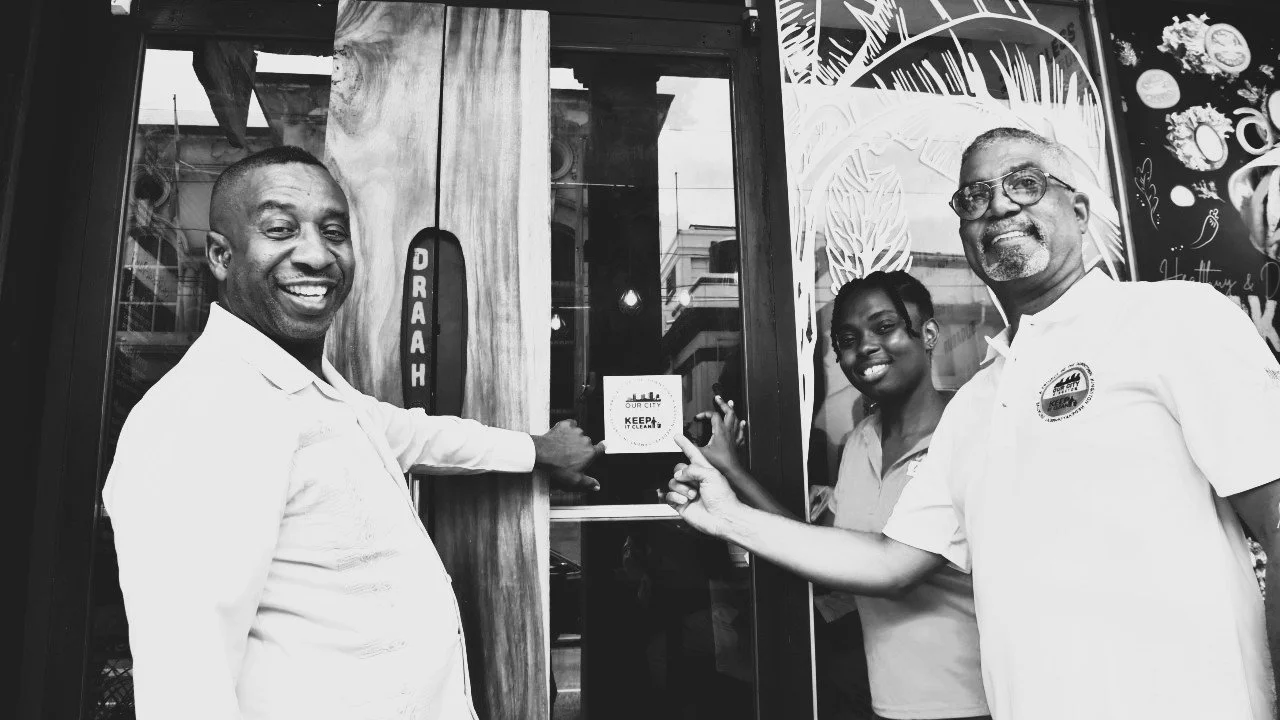
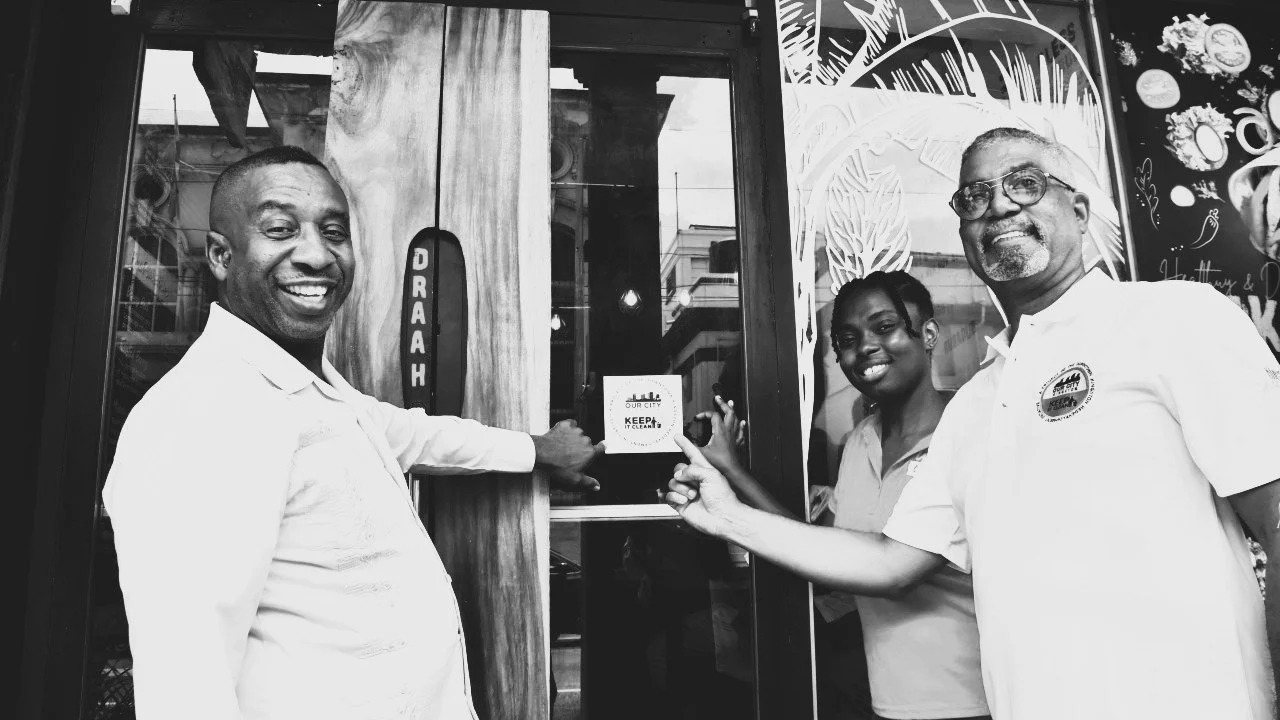
Step Four: Build business participation as a movement, not a mandate. The Keep It Clean campaign asks each participating business to take responsibility for the sidewalk in front of its premises, including bin maintenance, tree care, and litter management. Approximately thirty plus businesses have enrolled, and certified-clean decals now appear on shopfronts across the zone. The Chamber's convening role has been the asset. We are learning that civic ownership scales when credible private-sector institutions invite, model, and recognise it, rather than when participation is asked of businesses in isolation.
Step Five: Build the institutional platform that holds it all together. This is the step we are most cautious about, and the one we believe matters most. Programmes do not produce structural change on their own. The renewal of any city centre eventually requires a coordinating vehicle with the authority to integrate effort, the flexibility to act, and the structural continuity to outlast political cycles. Stalled sites, fragmented ownership, and underutilised buildings require institutional anchoring of a different order. That conversation is now live, and we believe it is the step that determines whether the early gains continue or fade.
What we are not arguing is that this is the only way to revitalise a city centre. What we are learning is that the discipline, more than the design, is what makes the difference. Downtown Kingston has the assets, the institutions, and the history. The next twenty-four months will determine whether this generation is the one that finally gets that right.